On June 17, the 4th International Conference on Publishing Education was held at Beijing Institute of Graphic Communication (BIGC). As a key event of the 32nd Beijing International Book Fair (BIBF), the conference was themed “Innovation in Reading and Publishing Education in the Digital and Intelligent Era”. It aimed to promote the development of publishing as an academic discipline, deepen international academic exchanges, and foster industry-education integration within the publishing sector in the digital and intelligent era. Co-hosted by BIGC and the Publishers Association of China, the conference was organized by the Alliance of International Publishing Education (AIPE), among others.
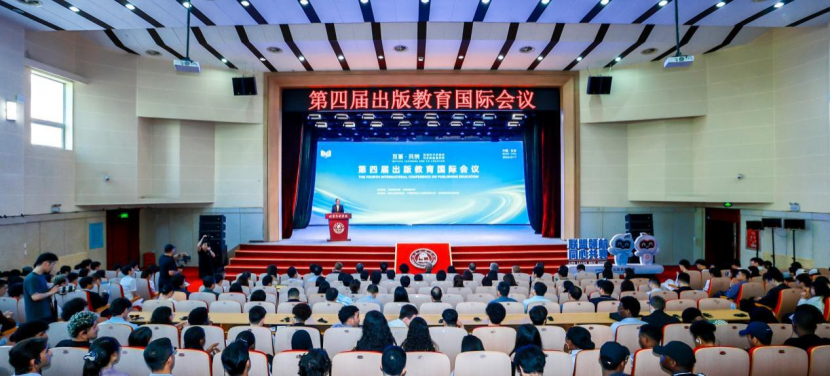
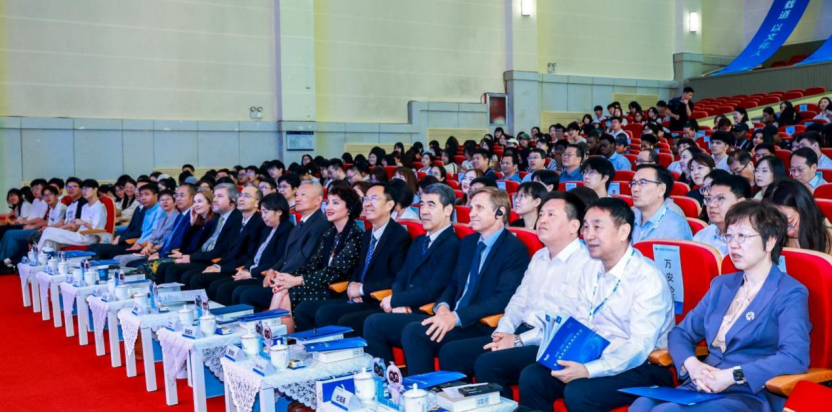
The 4th International Conference on Publishing Education Held on Campus
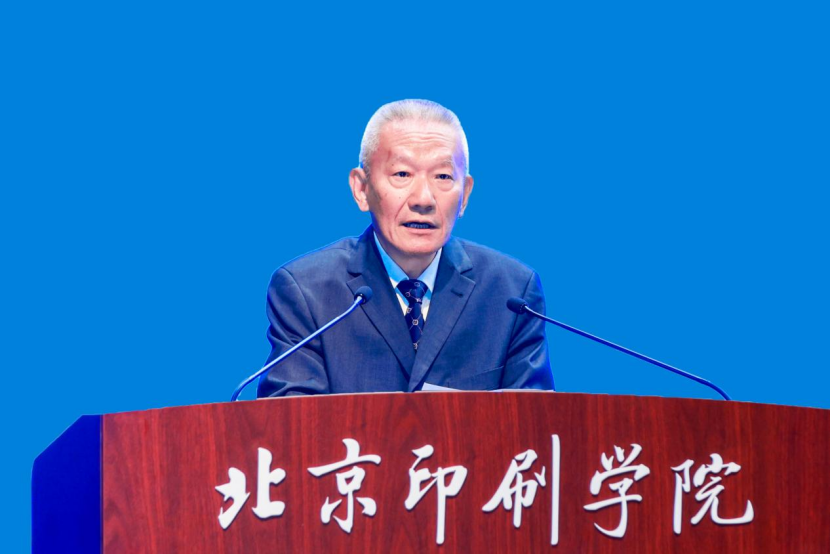
Wu Shulin Delivers Opening Address and Keynote Speech
Wu Shulin, President of the Publishers Association of China, pointed out that China has established the world’s largest and most comprehensive publishing education system. Addressing the deep integration of artificial intelligence, he emphasized that the essence of AI reshaping publishing education is to “empower people through technology”. He also proposed that future efforts should focus on three key areas: clarifying the positioning of the discipline, adapting to the demands of the AI era, and building a forward-looking education system.
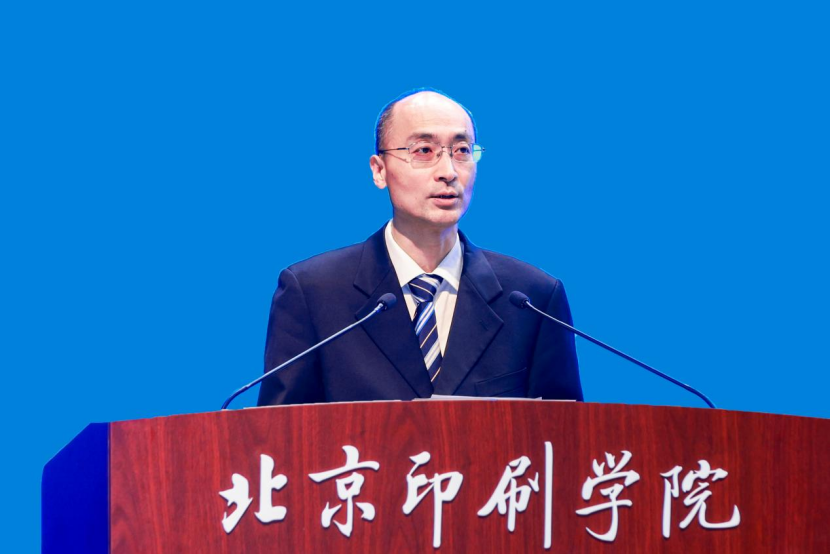
Zhang Xin Delivers Remarks
Zhang Xin, Party Secretary of Beijing Institute of Graphic Communication (BIGC), stated that having consecutively hosted the conference for three editions, the topics have progressively evolved from integrated development to digital and intelligent innovation. He proposed adhering to fundamental values, stimulating the driving force of innovation, and expanding the open landscape to jointly build a global publishing education ecosystem.
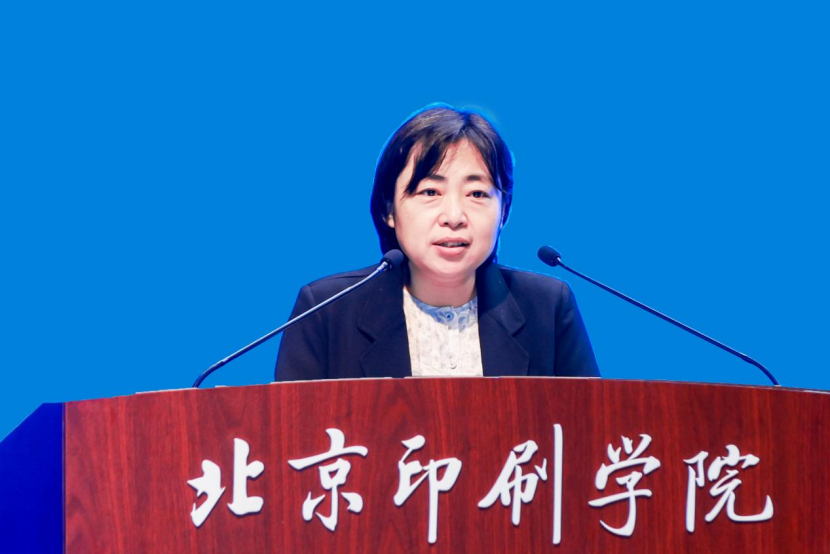
Xiao Zhan Delivers Remarks
Xiao Zhan, Second-Level Inspector of the Import and Export Administration Bureau of the Publicity Department of the Central Committee of the Communist Party of China, emphasized that digital technologies are profoundly reshaping the publishing industry. In response, publishing education should focus on cultivating high-caliber professionals and safeguarding the inheritance of civilization.
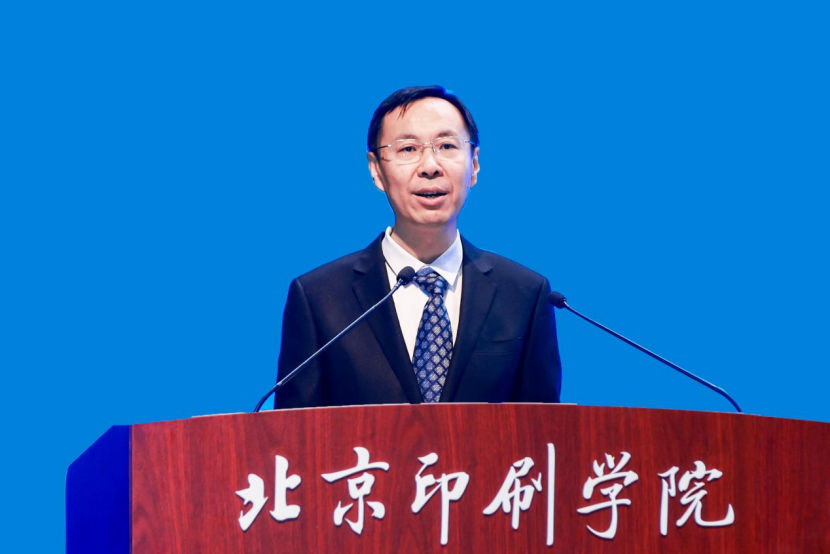
Zhang Yaotian Delivers Remarks
Zhang Yaotian, a member of the Beijing Municipal Education Commission, pointed out that digital and intelligent technologies have posed new requirements for the cultivation of publishing professionals. He expressed his hope that universities will remain committed to fostering virtue and nurturing talent, embrace digital and intelligent transformation, and deepen international cooperation.

JOBAVA, Gvantsa Delivers Remarks
JOBAVA, Gvantsa, President of the International Publishers Association, stated that artificial intelligence can only perform statistical analysis based on existing human knowledge. She emphasized that discovering high-quality content and maintaining rigorous editorial and review processes remain the core mission of publishing, and that technology should be effectively leveraged to elevate publishing standards.
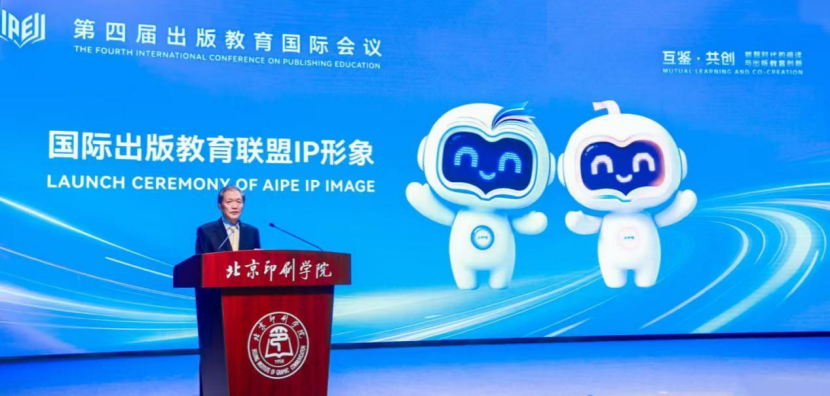
Launch of the AIPE IP Image
The conference unveiled the official IP images of the AIPE Eddy and Ally. Integrating elements of books and digital intelligence, the images mark a milestone for the Alliance as it advances from joint institutional development to joint brand building.
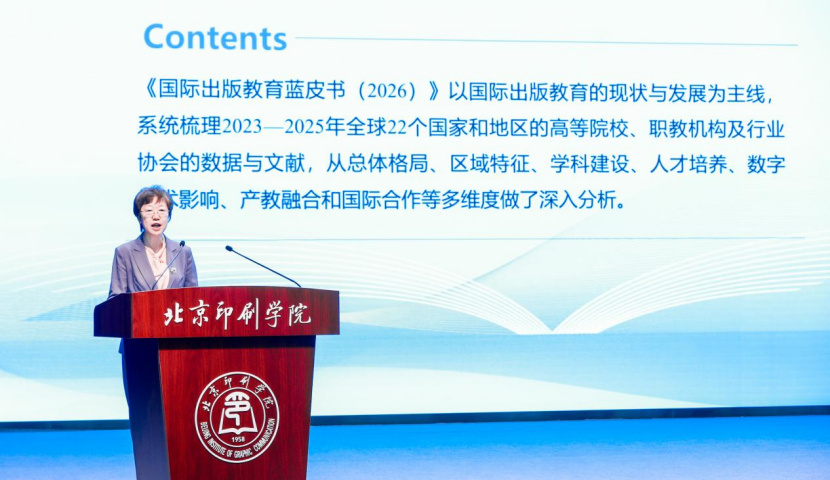
Release of the International Publishing Education Blue Book (2026)
The conference unveiled the first International Publishing Education Blue Book (2026). The report systematically reviews data from 22 countries and regions worldwide spanning 2023 to 2025. It provides an in-depth analysis across multiple dimensions, including the overall landscape, regional characteristics, and the impact of digital and intelligent technologies. The report highlights that publishing education in the AI era must shift its focus from “skill training” to “competency cultivation”, aiming to build a talent development system for versatile and innovative professionals. Furthermore, it identifies emerging trends—such as digital and intelligent technologies becoming core driving forces, the institutionalization of international cooperation, and the deepening of industry-education integration—while proposing corresponding strategic recommendations.
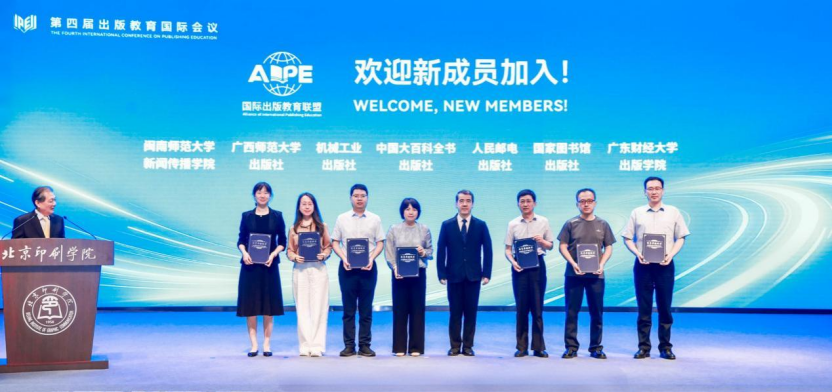
Presentation of Certificates to New AIPE Members
The AIPE has officially welcomed nine new members, including seven domestic institutions: the School of Journalism and Communication at Minnan Normal University, Guangxi Normal University Press, China Machine Press, Encyclopedia of China Publishing House, Posts & Telecom Press, National Library of China Publishing House, and the School of Publishing at Guangdong University of Finance & Economics; as well as two international organizations: Asian Think Tank Co., Ltd. and GBD Books (India). This expansion demonstrates the global publishing education community’s strong confidence in forging ahead together.
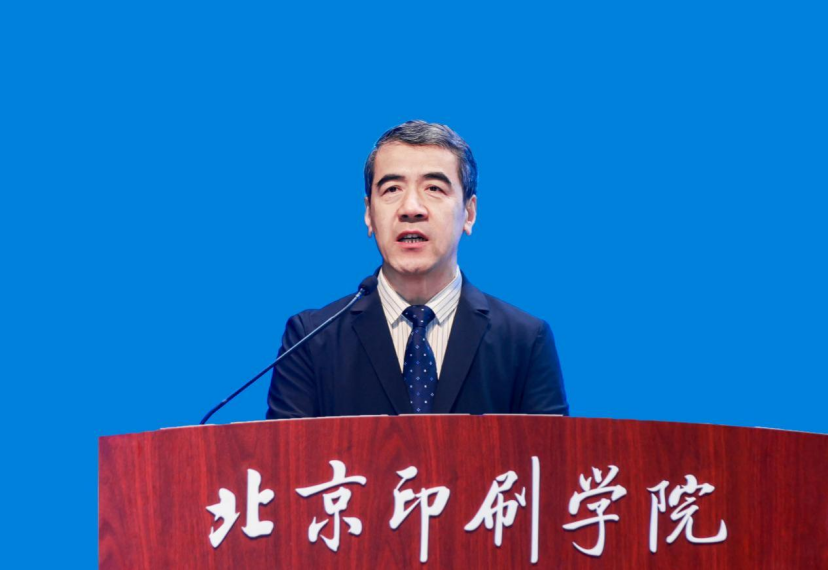
Tian Zhongli Delivers Keynote Speech
Tian Zhongli delivered a keynote speech titled Pioneering a New Landscape in Reading and Publishing Education Innovation. He pointed out that artificial intelligence has become a “key variable” shaping the new form of human civilization. He emphasized that the future publishing industry must still adhere to its core mission of content review and value guidance, transforming high-quality content into credible, standardized, and accessible knowledge resources to enhance its communication power and service capabilities. The mission of publishing education is to cultivate versatile, high-end professionals capable of navigating the entire chain of intelligent production. Facing the new development requirements of the upcoming 15th Five-Year Plan and the new form of human civilization, we can only deliver a new, satisfactory answer for publishing education that meets the demands of the times, integrates local characteristics with a global perspective, by proactively innovating to address the propositions of our era, fostering global consensus through open cooperation, and responding to value realization with humanistic care.
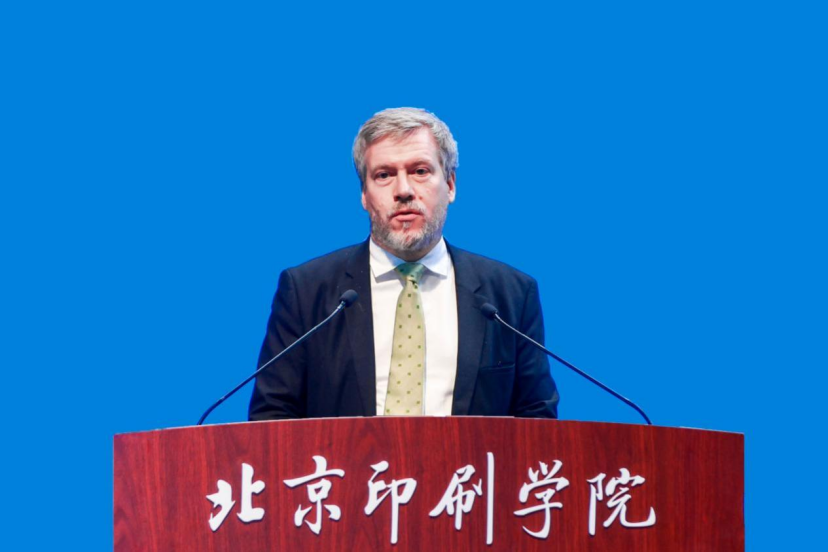
Niels Peter Thomas Delivers Keynote Speech
Niels Peter Thomas, CEO of BMJ Group, pointed out from the perspective of neuroscience that reading printed books will not disappear with generational changes. He also proposed an experimental concept of “360-degree reading” based on virtual reality (VR).
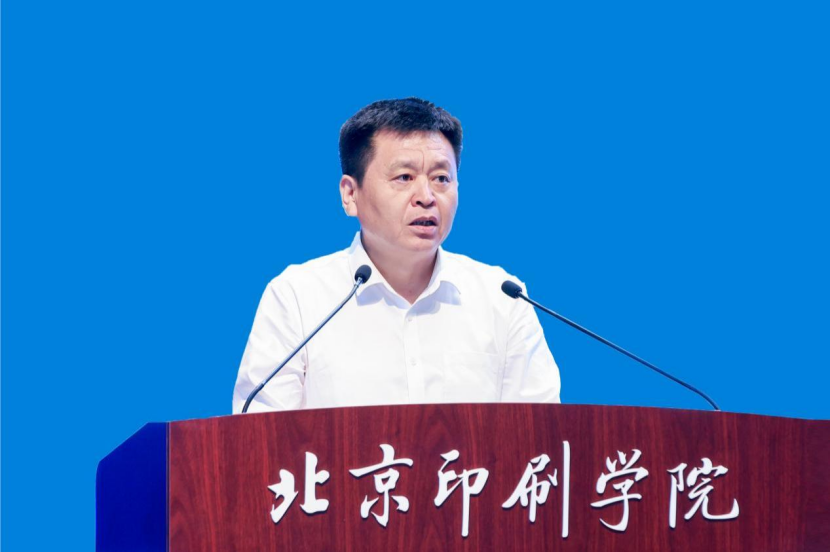
Du Haitao Delivers Keynote Speech
Du Haitao, Chairman of Beijing Prominion Publishing Co., Ltd., shared case studies on the IP-driven operation of video content and the construction of industry knowledge service platforms. He proposed exploring innovative pathways for professional publishing from three perspectives: content-centered approach, technology empowerment, and data-driven strategies.
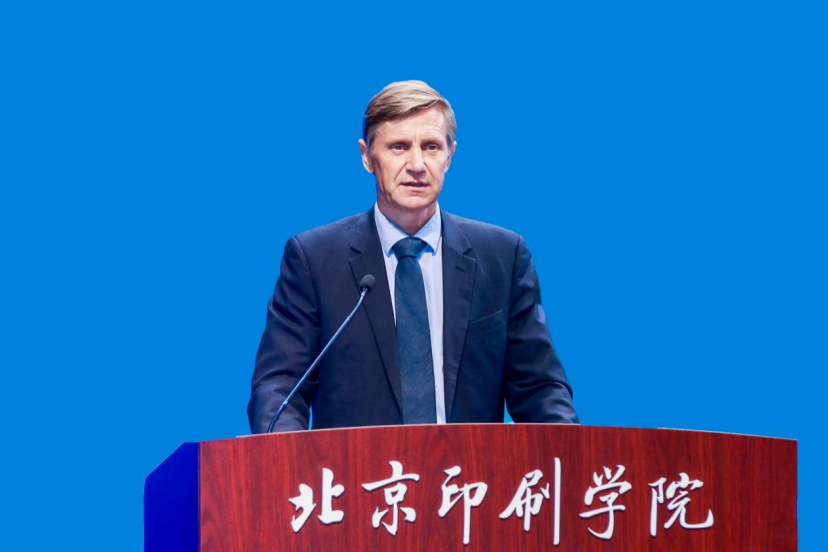
Niels Stern Delivers Keynote Speech
Niels Stern, Managing Director of the OAPEN Foundation, emphasized that the core of publishing lies in “collaborative co-creation” and safeguarding the credibility of scientific research. He called for integrating Chinese academic books into the global Open Access (OA) ecosystem to mitigate the “Western bias” in AI knowledge systems.
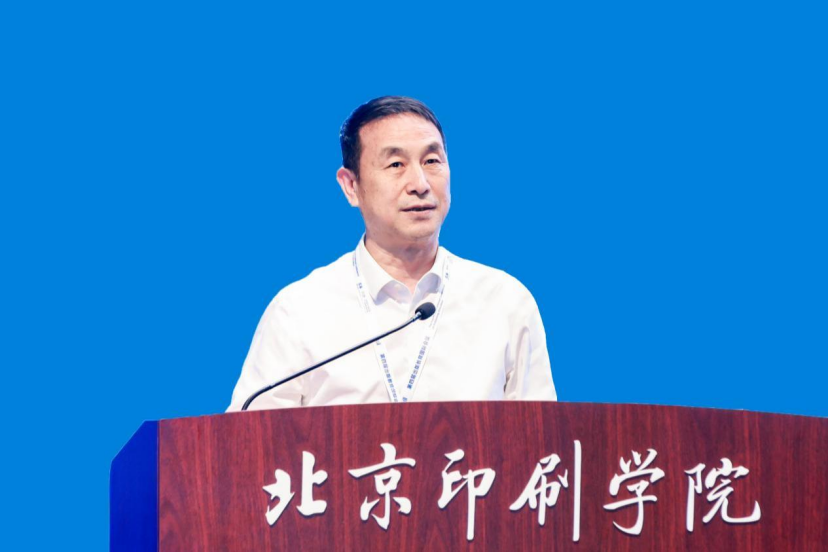
Wan Anlun Delivers Keynote Speech
Wan Anlun, Executive Dean of the Institute of Digital Publishing at Beijing Normal University, proposed accelerating the development of an independent knowledge system for the study of reading, guided by Marxist perspectives on publishing. He also outlined the construction of a theoretical framework spanning eight dimensions.
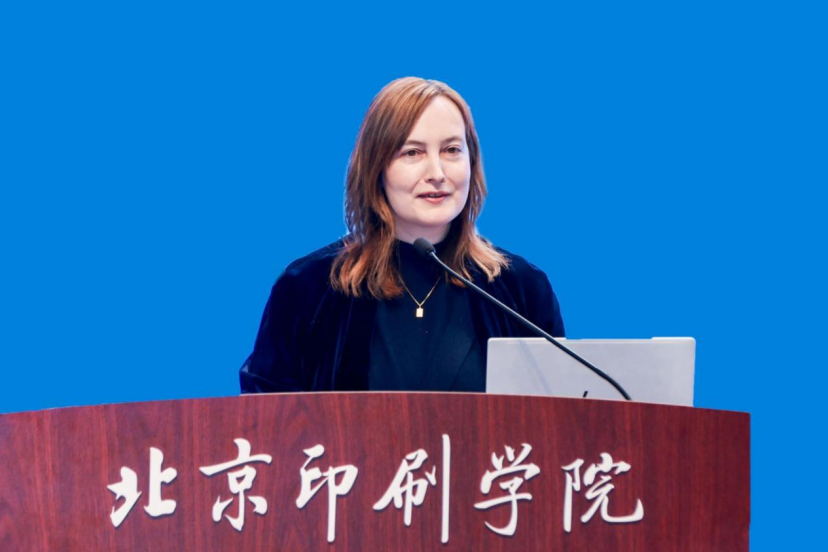
Dominique De Roo Delivers Keynote Speech
Dominique De Roo, Chief Strategy Officer of De Gruyter Brill, pointed out that in the AI era, if publishers allow technology to entirely replace human labor, they will be reduced to mere logistics service providers; conversely, if competition intensifies, the ability to discern the truth will become the most scarce value. She suggested that publishing education should strike a balance between technological application and the cultivation of critical judgment.
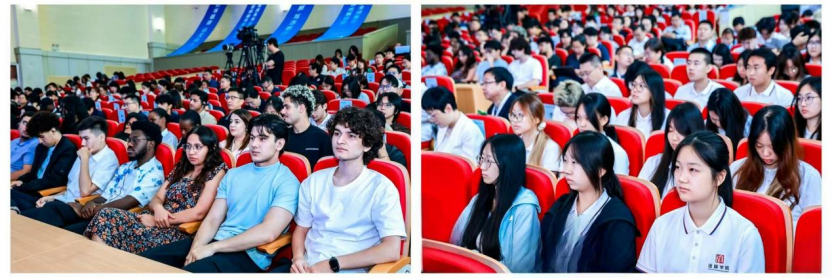
At the Venue
On the afternoon of the same day, the sub-forum on “Reforming Publishing Education and Internationalizing Sci-Tech Journals” was held. Experts and scholars from universities such as Peking University, Nankai University, and Sichuan University, as well as from various industry organizations, gathered for in-depth exchanges.
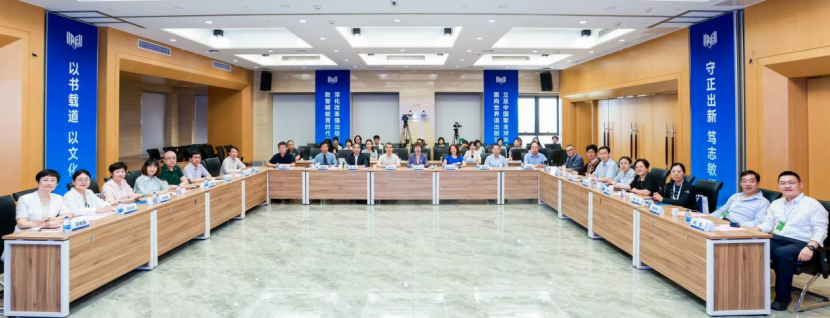
The Sub-forum on “Reforming Publishing Education and Internationalizing Sci-Tech Journals”
The conference also featured two special sessions: “Tracing the Source, Looking to the Future: the 1st International Academic Salon for Publishing Doctoral Students” and “Tracing the Source, Seeking the Truth: Academic Salon for Young Scholars”. Doctoral students and young scholars from universities including Beijing Foreign Studies University, Communication University of China, Nanjing University, and Wuhan University presented their research findings and received expert reviews, focusing on cutting-edge topics such as content production in the digital and intelligent era, publishing transformation, and international communication.
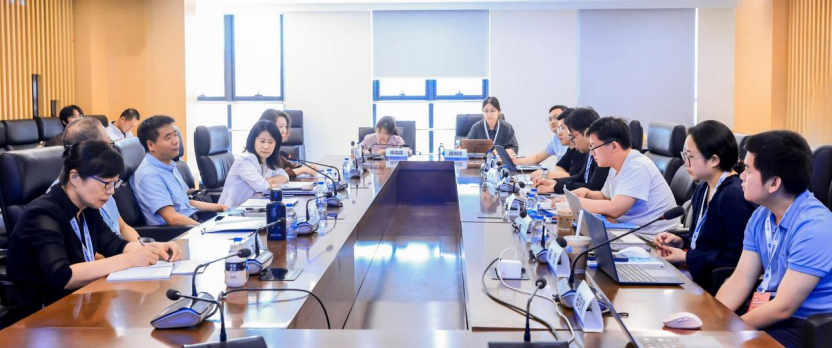
Hosting the 1st International Academic Salon for Publishing Doctoral Students
